Interventions mapped
Which interventions — from different floral systems, used alone or as an adjuvant — have already been investigated for anxiety.
Independent scientific research
“Floral Therapy-based Interventions for Anxiety – Evidence Map” is a research project that rigorously organizes what has already been investigated on Floral Therapy and anxiety — and reveals where science still needs to go.

The project
To map and systematize the available scientific evidence on Floral Therapy-based interventions in the context of anxiety in humans — identifying the characteristics of the scientific production, the interventions investigated, the outcomes assessed, the areas where evidence concentrates and the knowledge gaps.
Which interventions — from different floral systems, used alone or as an adjuvant — have already been investigated for anxiety.
Which outcomes have been measured, in which populations and contexts — with no restriction of age, sex, clinical condition, country, language or publication period.
Where the evidence concentrates and where knowledge gaps remain, guiding future research and scientific investment.
A publicly accessible Evidence Map for researchers, health professionals, managers, therapists and floral systems.
Who this project matters to:
Understand the tool
An Evidence Map is a tool that systematically organizes and presents the existing scientific production on a given topic, allowing one to visualize where the evidence is concentrated and where knowledge gaps remain.
In practice, the studies are arranged in an interventions-and-outcomes matrix: on one side, the investigated Floral Therapy-based interventions; on the other, the anxiety outcomes assessed. The fuller cells reveal the areas with the most studies; the empty ones, the opportunities for new research.
The results may also help universities, research groups, institutions and floral system developers set priorities and direct investments toward new scientific investigations.
How it will be done
A systematic, broad and sensitive bibliographic search, with complete documentation of the sources consulted, the strategies used, the search dates and the number of records retrieved — ensuring transparency and reproducibility.
Searches carried out in seven national and international databases, with documentation of the entire process.
Application of previously established eligibility criteria to scientific articles, dissertations and theses.
Data extracted by one researcher and verified by a second; disagreements discussed between researchers until consensus.
Analysis and organization of the interventions-and-outcomes matrix, identifying concentrations and gaps in the evidence.
Who we are
Researchers and collaborators with different academic backgrounds and professional experience, plus specialized technical support professionals responsible for specific stages of building and making the Evidence Map available.
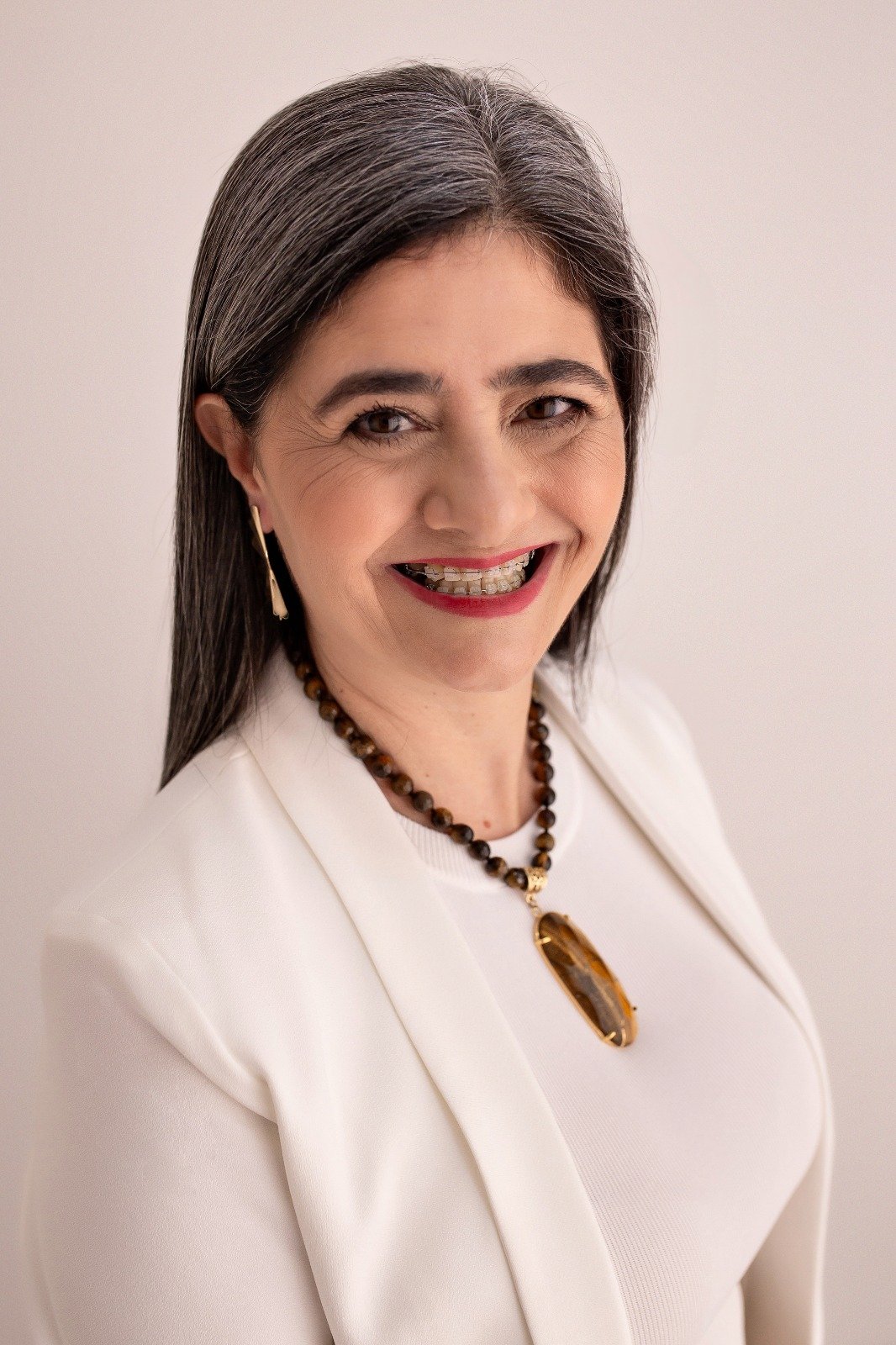
Scientific coordination and development of the Map
PhD candidate in Health Sciences (UNISUL), with experience in Neuroscience research. Holder of a master's degree in Sociology (UFRGS), a bachelor's degree in Social Sciences and a technology degree in Data Processing (UNISINOS). Author of three books, with over 27 years of experience in education, health and human development.
Collaborating researcher
Professor and researcher at the Graduate Program in Communication of UFRGS (PPGCOM-FABICO). PhD in Communication Sciences, with a postdoctoral fellowship in Communication. Head of the Laboratory of Circulation, Image and Mediatization (LACIM) and vice-president of Compós.
Specialized language support
Graduated in Letters – English (UNISINOS) and in Business Administration (Estácio de Sá), with a postgraduate degree in English Language and Literature (UNIP). English teacher and founder of Global English, with international professional experience in Dublin, Ireland.
Researcher in training
Undergraduate student in the Technology Degree in Management Processes (UNISINOS), expected to graduate in 2026. She is part of the team taking part in the development stages of the Evidence Map.
Follow along
Execution is expected to take 7 months, starting once the funds are raised. For supporters, there is a beginning, a development and a delivery — all trackable here. Out of scientific rigor, we publish completed stages, never preliminary results.
Phase 1 · Month 1
Finalization of the review protocol and registration of the search strategies for each database consulted.
Phase 2 · Months 1–2
Execution of the searches in the 7 databases, with documentation of sources, strategies, dates and number of records retrieved.
Phase 3 · Months 2–3
Screening by titles, abstracts and full text according to the eligibility criteria defined in the project.
Phase 4 · Months 3–5
Extraction performed by one researcher and verified by a second, with disagreements resolved by consensus.
Phase 5 · Months 5–6
Organization of the interventions-and-outcomes matrix, identifying the areas of concentration and the knowledge gaps.
Phase 6 · Months 6–7
Structuring and visualization of the Evidence Map, preparing the tool for public consultation.
Phase 7 · Month 7
Public release of the Map, production and publication of articles and science communication actions.
Under way
◐ In progressThe project website is now live. Fundraising happens exclusively through voluntary donations — no sponsorship, no advertising and no strings attached.
To be scheduled
⏳ Awaiting startExecution of the 7 phases begins once the funds needed to carry out the project are raised.
This area is regularly updated by the project coordination during the seven months of execution — things like “searches completed”, “study selection in progress” or “data extraction completed” — keeping everyone who contributed connected to the story.
Our golden rule
This project is funded exclusively by voluntary donations. There is no sponsorship, advertising or any other kind of incentive.
We do not accept sponsorship. There is no brand exposure, space selling or advertising linked to the project.
The donation is voluntary and establishes no commercial consideration, purchase of products or services, financial participation in the results, or rights over the scientific products.
No influence over the selection of studies, data extraction and analysis, interpretation, or the way results are presented and disclosed.
Who made this possible
Everyone who donates will be mentioned as a supporter of this research — always with their authorization, and with full anonymity respected for those who prefer it.
The first supporters are being registered.
Be part of this story — support the project.
The disclosure of names or logos is meant as recognition of the contribution — it does not represent advertising, scientific endorsement, commercial ties, participation in the research or agreement with its results.
Be part of this story
Science is also built when someone decides to make knowledge visible. Your donation — of any amount — makes a milestone for Floral Therapy possible.
Contribute through the collective fundraising campaign — fast, safe and open to any person, company, institution, association or floral system.
Contribute via the campaign⏳ Campaign registration coming soon.
Prefer to support directly? Use the project's official Donation Term:
💛 Donating is voluntary and generates no commercial consideration. Every authorized donor will be acknowledged as a supporter of this research.
Questions
Yes. Participation is open to any individual who wishes to freely and voluntarily support making this research possible. Every contribution, regardless of the amount, is recorded as support for the project.
Yes. Companies, institutions, associations, organizations and legal entities in general can contribute — including companies in the same field of activity. The donation establishes no exclusivity or commercial consideration of any kind.
Yes. Floral systems can financially support the project. However, the contribution does not confer any influence over the methodology, the selection of studies or the results of the research.
No. Supporters' participation in funding the project does not confer any influence over the identification, selection, inclusion or exclusion of studies, over data extraction and analysis, nor over the interpretation and presentation of the results.
Only with your authorization. The Donation Term has a specific option to authorize (or not) the disclosure of your name or company name among the project's supporters. Legal entities may also authorize the use of their logo, exclusively for identification among the supporters.
Yes. Just check, in the Donation Term, the option not to authorize the disclosure of your name. The contribution remains equally valid and anonymity is fully respected.
To make every stage of the research possible: systematic searching of the databases, selection of studies, data extraction and analysis, building of the Evidence Map and its public release, plus the necessary specialized technical support. If the funds raised exceed the project's costs, the balance will go to related scientific activities: science communication, production and publication of articles, and development of new research on the topic.
The project does not start from a previous conclusion to be defended. Its purpose is to map and systematize, with rigor and transparency, what the scientific production has already investigated about Floral Therapy and anxiety: where the evidence concentrates and where there are knowledge gaps. It is a work of knowledge organization, which contributes both to guiding new research and to supporting decisions by professionals and managers.
No. The financial contribution does not interfere with the selection of studies. Only the studies identified in the systematic search process that meet the scientific eligibility criteria defined for the project will be included, regardless of any financial contribution.
Primary studies carried out with human beings — with no restriction of age group, sex, clinical condition, country, language or publication period — that investigate Floral Therapy-based interventions and present anxiety as a condition, symptom or assessed outcome. Scientific articles, dissertations and theses will be eligible. Interventions from different floral systems, used alone or as an adjuvant, are considered as long as the Floral Therapy component is clearly identified.
Execution is expected to take 7 months, starting once the necessary funds are raised. For supporters, it is important to see that there is a beginning, a development and a delivery — all trackable in the Timeline & Status section.
On this very page. In the Timeline & Status section we regularly publish the completed stages — such as “searches completed”, “study selection in progress” or “data extraction completed” — keeping everyone who contributed connected to the project's story.
No. The eventual disclosure of a name or logo is meant as recognition of the contribution made — it does not represent advertising, scientific endorsement, commercial ties, participation in the research or the supporter's agreement with its results.